
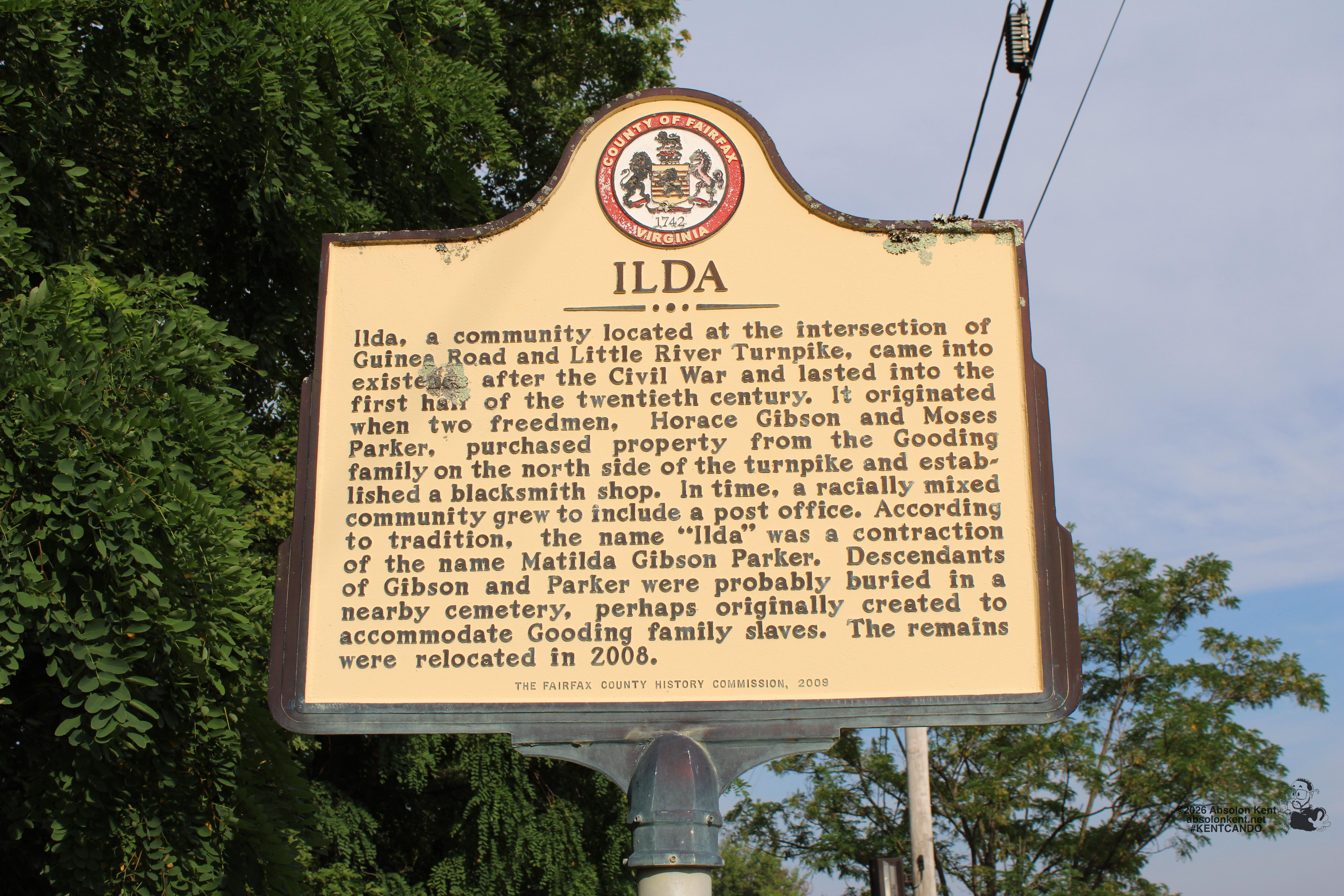
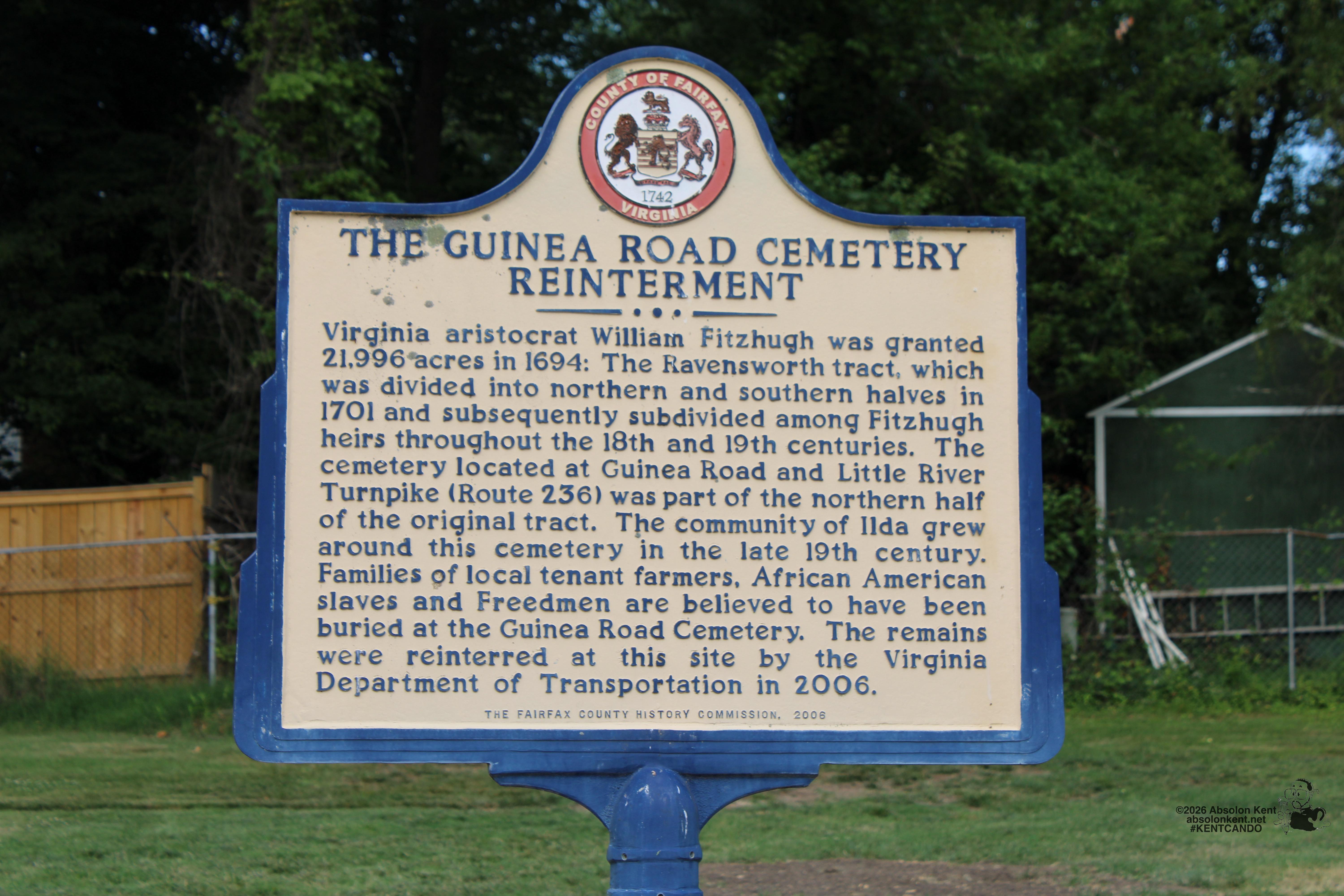
ANNANDALE, Va. — Ilda, a racially integrated community took root in 1868 when Horace Gibson, a formerly enslaved blacksmith from Culpeper, purchased five acres at the intersection of Little River Turnpike and Guinea Road from the Gooding family and opened a blacksmith and wheelwright shop with his business partner, Moses Parker — also formerly enslaved. Among the rarest examples in the post-Civil War South of a Black-owned business anchoring a mixed-race settlement, their shop's prime location on the well-traveled turnpike made it the cornerstone of a community that grew to include roughly 40 to 50 families at its height in the 1890s.
The settlement's name was a contraction of "Matilda Gibson Parker," Horace Gibson's daughter, who later took over the blacksmith shop with her husband, Moses Parker's son, and ran it until 1910. By the late 1800s, Gibson and Parker together owned more than 400 acres, and Ilda became one of the rare post-Civil War communities anchored by a Black-owned business that also drew white residents and patrons.
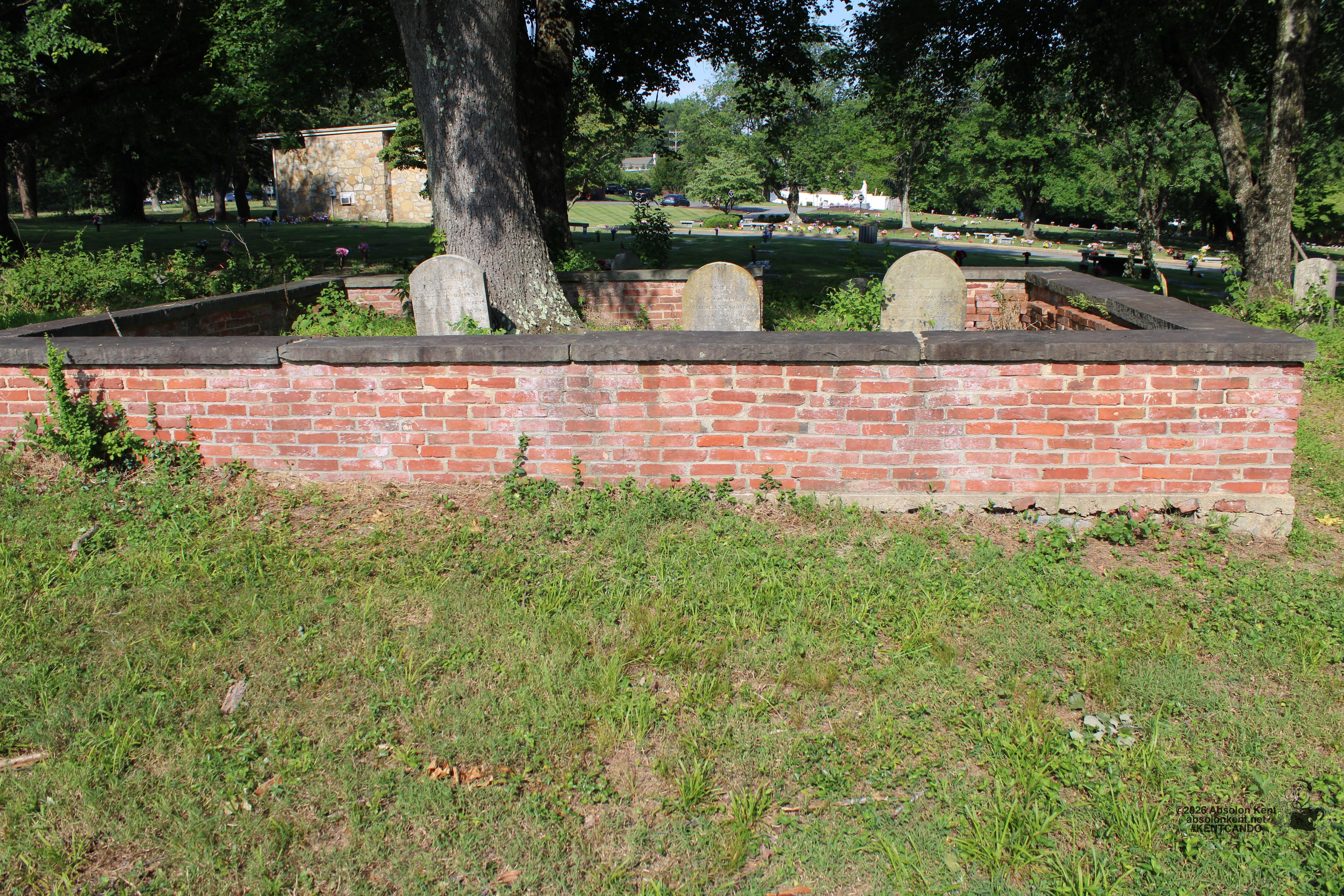
A cemetery near the crossroads held the remains of Gibson and Parker descendants, as well as people enslaved by the Gooding family; the graves were rediscovered during road-widening plans and relocated to Pleasant Valley Memorial Park in 2006 after a decades-long campaign by descendant Dennis Howard.
Ilda disappeared from the map by 1950, when the whites-only Lee Forest subdivision was built over much of the original settlement. Today, a Virginia historical marker and a small cross at the old cemetery site are the only physical traces remaining.
📸: absolonkent.net/photogallery/index.php?/category/687
#TodaysAdventure #MyDMV #GetOutside #OutdoorAdventures #KENTCANDO #BlackHistory #VirginiaHistory #JustMe #photowalk