NMAAHC 10th Anniversary Celebration

NMAAHC 10th Anniversary Celebration

WASHINGTON โ€” Last night, Thurraya and I had the honor of attending theย 10th Anniversary Celebration of the Smithsonian National Museum of African American History and Culture.

For the past decade, this extraordinary museum has preserved, shared, and celebrated the stories, struggles, achievements, and enduring contributions of African Americans to our nation's history. Since opening in 2016, it has welcomed millions of visitors from around the world, becoming a place of education, reflection, inspiration, and hope.

The evening brought together guests to commemorate this important milestone with opening remarks, a special anniversary program, and an opportunity to celebrate the museum's remarkable first ten years. Walking through the museum and sharing in this celebration was a powerful reminder that history is not only something we studyโ€”it is something we preserve, honor, and pass on to future generations.

ย ย 


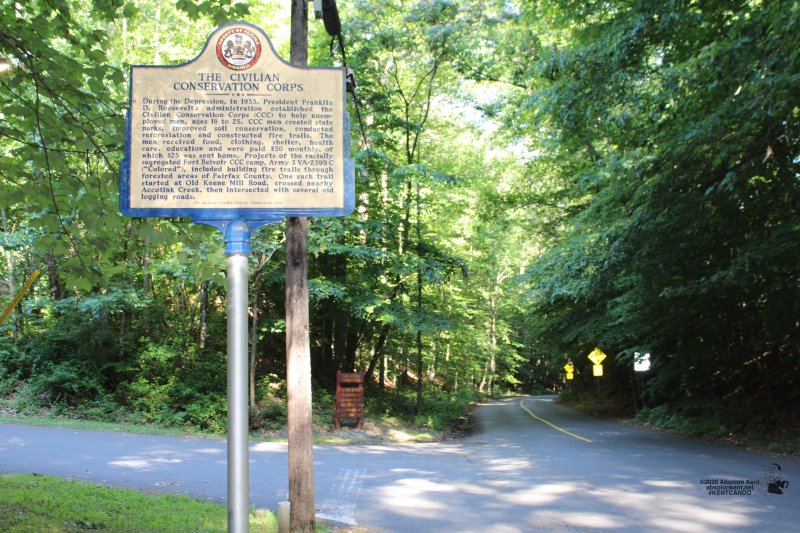
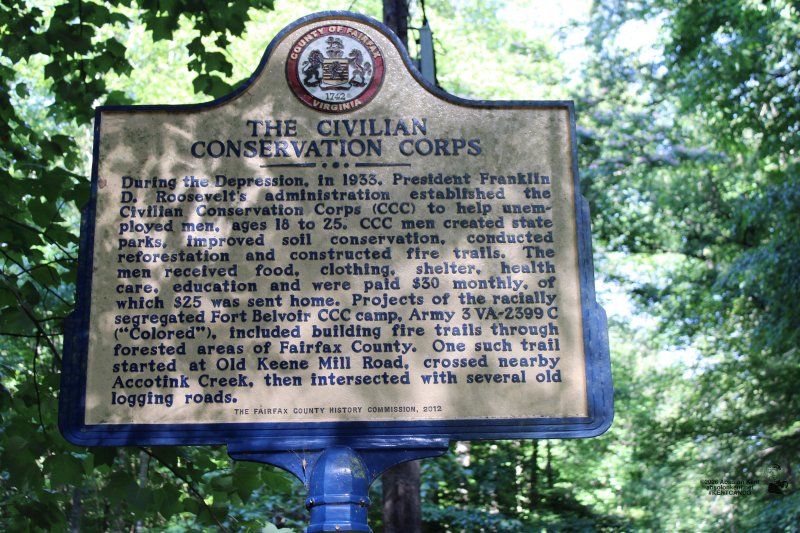
Civilian Conservation Corps (Colored) Camp Historical Marker

Civilian Conservation Corps (Colored) Camp Historical Marker

SPRINGFIELD, Va. โ€” During the New Deal era, the Civilian Conservation Corps established racially segregated camps across the South and border states. The Depression-era Colored CCC camp at Fort Belvoir (Army 3 VA-2399 C) was home to African American enrollees who constructed fire trails and other conservation infrastructure throughout Fairfax County's forests. Like all Colored CCC camps, the Fort Belvoir unit operated under federal segregation policies, reflecting the compromise that President Franklin D. Roosevelt made with Southern Democrats to secure passage of New Deal legislation.

Today, the Fairfax County historical highway marker near the Lake Accotink Park Headquarters building acknowledges both the labor contributions of these men and the discriminatory system under which they served.