Agnewville / The Chinn Family Historical Marker

Agnewville / The Chinn Family Historical Marker

WOODBRIDGE, Va. — Hidden in the heart of today's Lake Ridge community is the remarkable story of Agnewville—also known as Chinntown and Smoketown—a thriving African American community built by the Chinn family after emancipation.

Beginning with Thomas and Mary Jane Chinn and their eight sons, the family purchased nearly 500 acres, creating a vibrant community with homes, a post office, general store, restaurant, gaming hall, and Mount Olive Baptist Church, where generations of the Chinn family are still laid to rest.

Although Agnewville gradually disappeared as transportation routes changed and the area was redeveloped, its legacy lives on through the Prince William County Historical Commission marker that honors the resilience, entrepreneurship, and vision of a family who transformed freedom into opportunity for generations.

Every historical marker tells a story—and this one reminds us that communities can disappear from the landscape but never from history.

📸: absolonkent.net/photogallery/index.php?/category/739


Ebenezer Baptist Church

Ebenezer Baptist Church

OCCOQUAN, Va. — The Ebenezer Baptist Church in Occoquan was founded in 1883 by Rev. Lewis Henry Bailey, who was born into slavery, separated from his family, sold to Texas, and after emancipation walked back to Northern Virginia to reunite with them.

The church's story is one of faith, perseverance, and community. Now recognized with a Town of Occoquan historical marker and as part of the Prince William County African American History Trail, Ebenezer continues to honor a remarkable legacy that has endured for more than 140 years.

📸: absolonkent.net/photogallery/index.php?/category/737


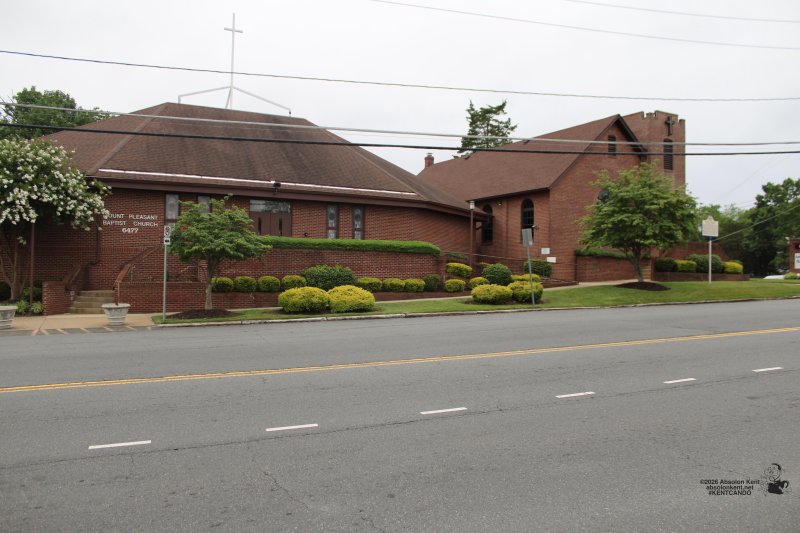
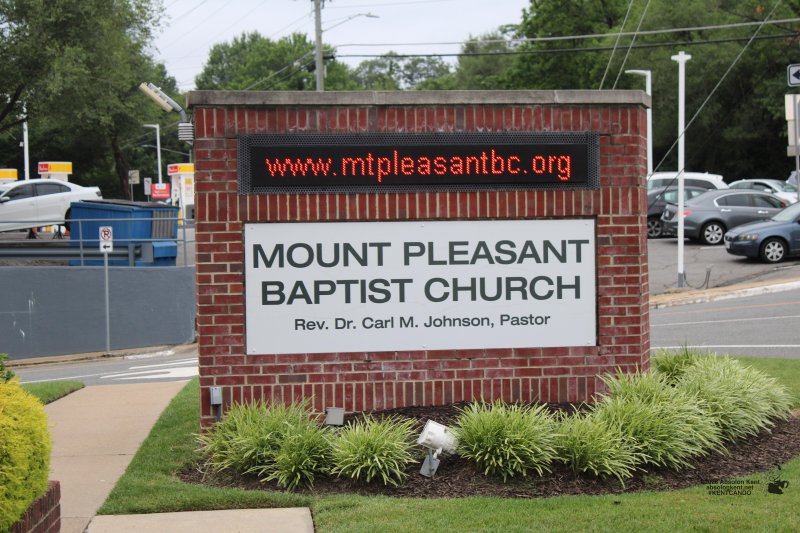
Mount Pleasant Baptist Church {Lincolnia) & Cemetery

Mount Pleasant Baptist Church {Lincolnia) & Cemetery
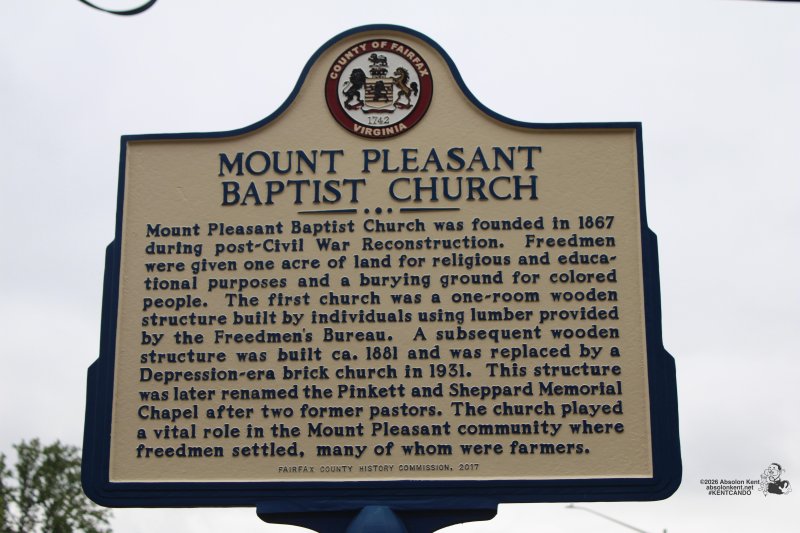
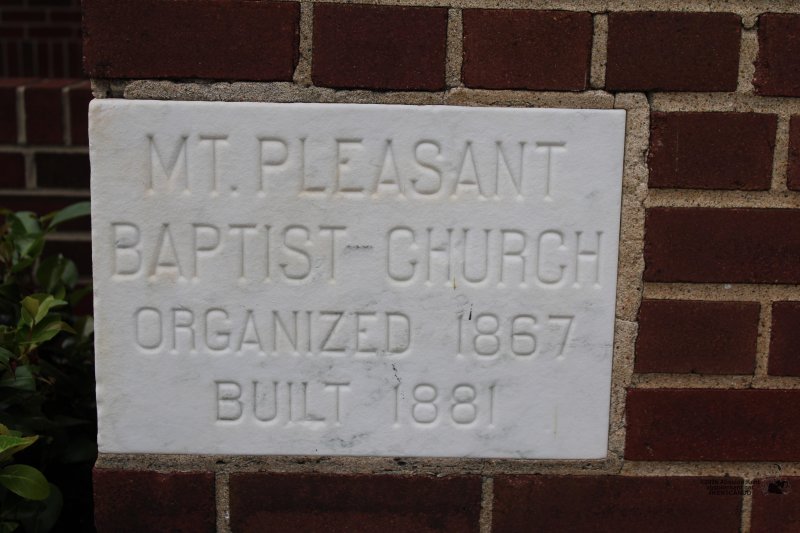
LINCONIA, Va. — Founded in 1867, just after the Civil War, Mount Pleasant Baptist Church traces its origins to an extraordinary act of generosity by Charles H. and Eliza Brown. After selling land to newly freed African Americans, they deeded one acre to be used exclusively for religious and school purposes and a "burying ground by and for colored people." That gift became the foundation of one of the oldest African American churches in Fairfax County.
 
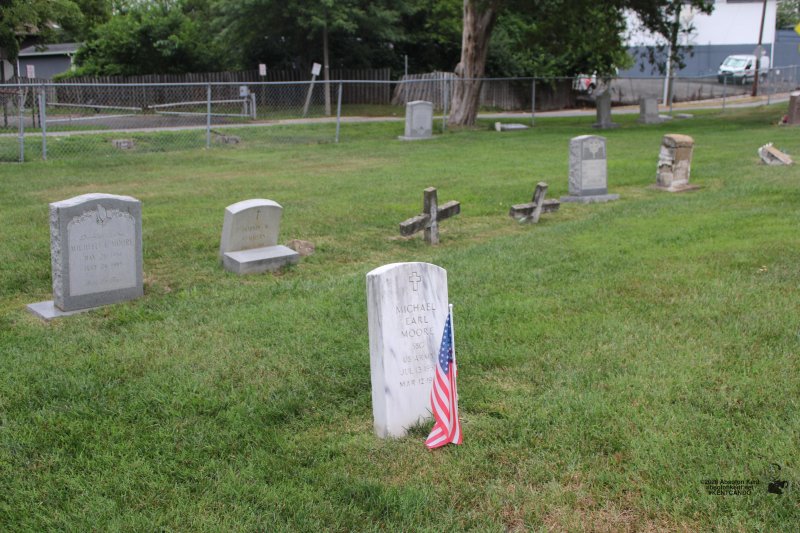
The congregation first worshiped in a simple pine log cabin before constructing a larger church in 1881. The beautiful brick sanctuary that stands today was dedicated in 1931, with an addition completed in 1971. Behind the sanctuary lies the historic cemetery, with at least 75 marked graves and many more unmarked burials dating back to the church's earliest years. 
 
In 2017, the Fairfax County History Commission installed a historical marker recognizing the church and cemetery, ensuring that the stories of this remarkable congregation and the surrounding freedpeople's settlement continue to be remembered.


Lomax AME Zion Church, Cemetery & Historical Marker

Lomax AME Zion Church, Cemetery & Historical Marker

ARLINGTON, Va. — Lomax AME Zion Church preserves one of the most significant chapters in Arlington County's African American history. Founded by formerly enslaved residents of Freedman's Village, the congregation traces its origins to 1863, making it the oldest extant African American church in Arlington County.

The congregation began as Wesley Zion Church, later known as Little Zion Church, within Freedman's Village on the former Arlington estate of Robert E. Lee. As the federal government prepared to close the settlement, members temporarily worshipped in the home of Levi and Sarah Ann Jones before purchasing a one-acre site in Green Valley in 1874, where the church has remained for more than 150 years. The congregation later adopted the name Lomax AME Zion Church in honor of Bishop T.H. Lomax, an influential leader of the AME Zion Church.

The present Gothic Revival sanctuary, completed after construction began in 1922*, is recognized as an Arlington County Landmark and is listed on the Virginia Landmarks Register as the county's oldest surviving African American church building. Its adjoining cemetery preserves the stories of generations of Green Valley residents, including formerly enslaved men and women whose lives helped shape the community.

Lomax AME Zion Church also played an important role in the modern Civil Rights Movement. In August 1963, under the leadership of the Rev. Arthur W. Walls, the congregation welcomed activists traveling to the March on Washington. On the eve of the historic march, Martin Luther King Jr and Ralph Abernathy addressed supporters in the church parking lot before traveling to the nation's capital, where Dr. King delivered his iconic "I Have a Dream" speech the following day.

Today, Lomax AME Zion Church continues to stand as both a place of worship and a lasting symbol of Green Valley's resilience, preserving a legacy that spans from emancipation through the Civil Rights Movement and into the present day.

📸: absolonkent.net/photogallery/index.php?/category/729


Macedonia Baptist Church & Historical Marker

Macedonia Baptist Church & Historical Marker

ARLINGTON, Va. — Macedonia Baptist Church traces its origins to 1908, when residents of Arlington's Green Valley community gathered for prayer meetings in the home of Bonder and Amanda Johnson. From those modest beginnings, the congregation grew into the first African American church established by the Nauck (now Green Valley) community itself.

After constructing an early chapel beside the Johnson home, the congregation acquired Peyton Hall near Nauck Station before formally organizing as Macedonia Baptist Church in 1911. Under its first pastor, the Rev. John Gilliam, the church quickly became a center of worship and community life, with its first baptisms taking place in Four Mile Run in 1912.

As Green Valley expanded, so did the church. A new sanctuary was completed in 1927, and the cornerstone for the present church was laid in 1971. During the pastorate of Dr. Leonard L. Hamlin Sr., Macedonia broadened its mission beyond the pulpit, establishing the Bonder and Amanda Johnson Community Development Corporation in 1999, developing affordable housing through The Macedonian, and expanding community services with a family life center.

On November 29, 2003, Arlington County dedicated a historical marker recognizing Macedonia Baptist Church's enduring contributions to Green Valley. More than a century after its founding, the congregation continues to serve as both a spiritual home and a cornerstone of one of Arlington's oldest African American communities.

📸: absolonkent.net/photogallery/index.php?/category/730